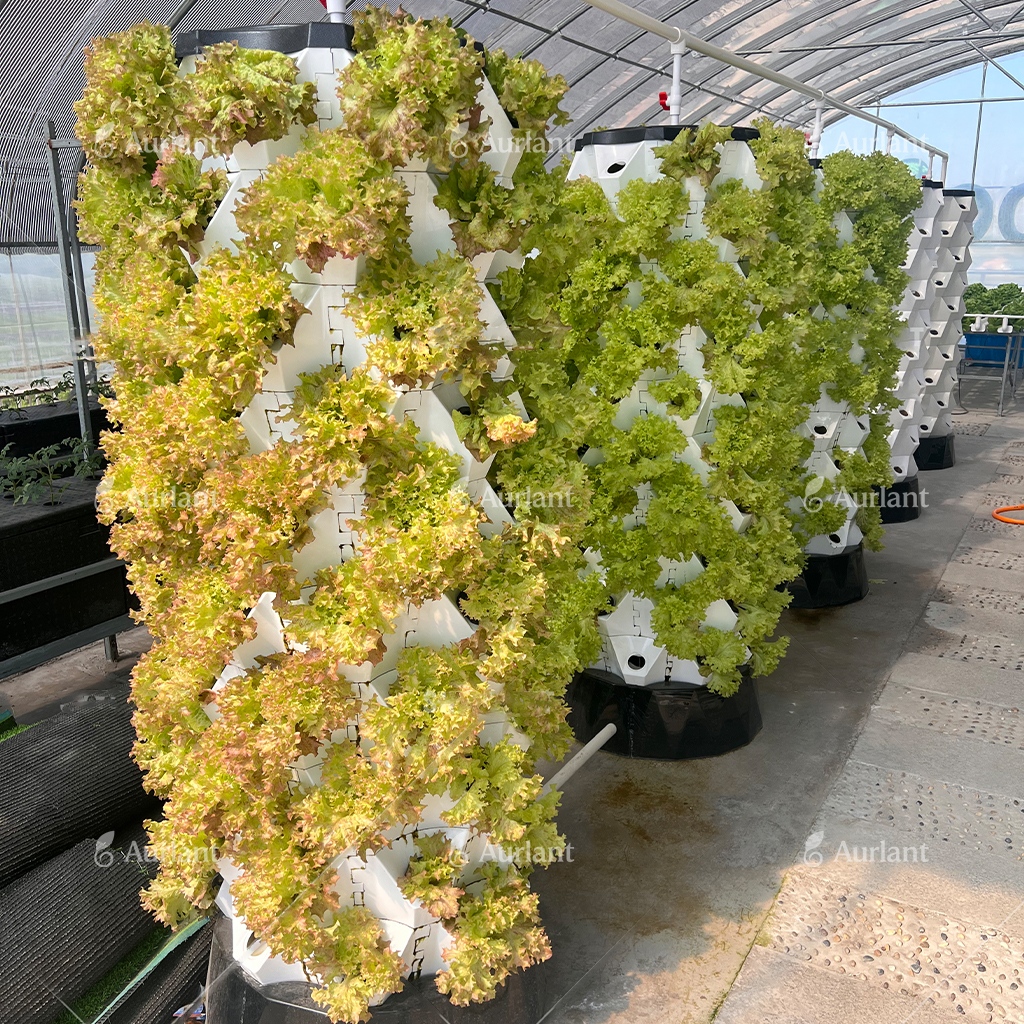
Scientific Greenhouse Management: A Practical Guide to Multi-dimensional Increase in Crop Yields
1. Precisely control the greenhouse environment
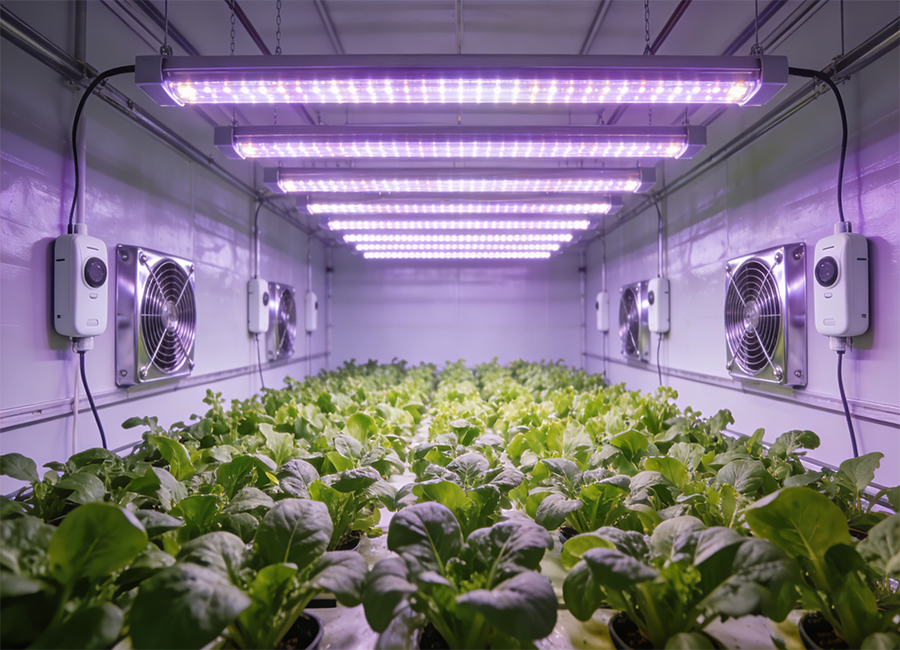
The core of increasing production in greenhouses lies in matching the environmental requirements for crop growth. The temperature should be regulated differently by variety. For warm-loving crops, the daytime temperature should be 25-30℃ and the nighttime temperature 15-20℃. For cold-resistant crops, the daytime temperature should be 15-20℃ and the nighttime temperature 5-10℃. Dynamic balance is achieved through intelligent temperature control, ventilation equipment, shading nets and thermal insulation quilts. When there is insufficient light, use LED plant growth lamps to supplement the light, combined with 450nm blue light and 660nm red light. Provide 4 to 6 hours of supplementary light during the seedling stage and 8 to 10 hours during the fruiting stage. At the same time, clean the greenhouse film to increase the light transmission rate. The air humidity should be maintained at 60% to 80%. If it is too high, ventilation and dehumidification can be carried out or plastic film can be laid. If it is too low, spray water to increase humidity and use drip irrigation to maintain soil moisture balance.
2. optimize planting management
The soil should be deeply ploughed and mixed with well-rotted organic fertilizer and microbial agents. Crop rotation, fallow or disinfection should be adopted to avoid continuous cropping obstacles. Water and fertilizer application should follow the principle of "small amounts and multiple times". Drip irrigation should be combined with water-soluble fertilizers. Nitrogen fertilizers should be emphasized during the seedling stage, and phosphorus and potassium fertilizers should be increased during the flowering and fruiting stage to supplement medium and trace elements. Timely pruning and removal of diseased and old leaves should be carried out. For climbing crops, trellches should be set up by hanging vines. The planting density should be such that the leaves do not overlap, so as to achieve efficient utilization per unit area.
3. Strengthen the prevention and control of pests and diseases
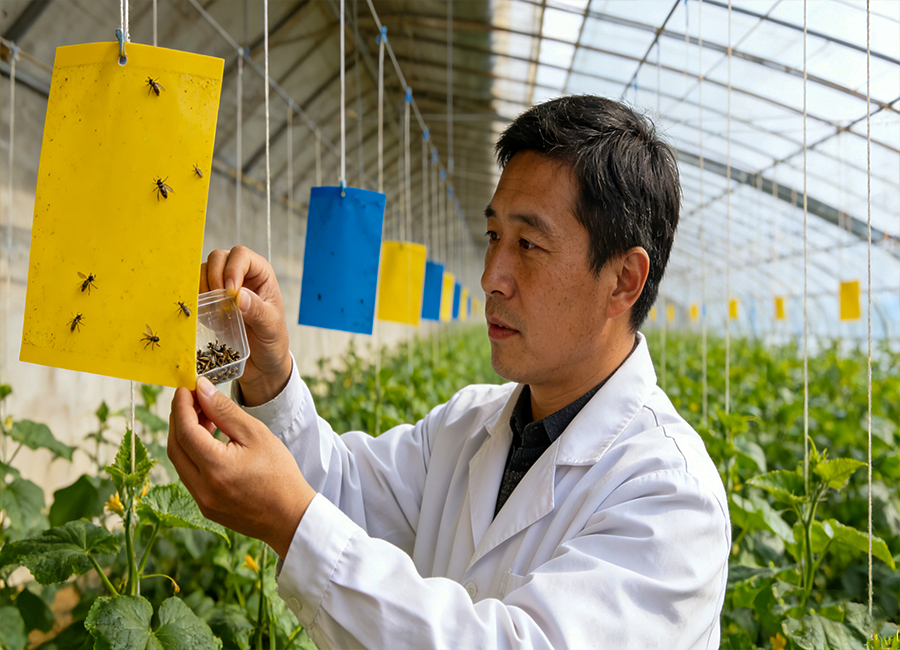
Adhere to the principle of "prevention first and comprehensive control", select disease-resistant and pest-resistant varieties, implement reasonable crop rotation and keep the fields clean. Physical control can be achieved by installing 40-60 mesh insect-proof nets, hanging yellow and blue boards, and using insect-killing lamps to lure and kill pests. In summer, the greenhouse can be disinfected in a stuffy manner during high temperatures. When necessary, release natural enemy insects or apply biological pesticides. When pests and diseases are severe, scientifically select low-toxicity and low-residue chemical pesticides and strictly follow the safety interval period.

4. Leverage intelligent technologies
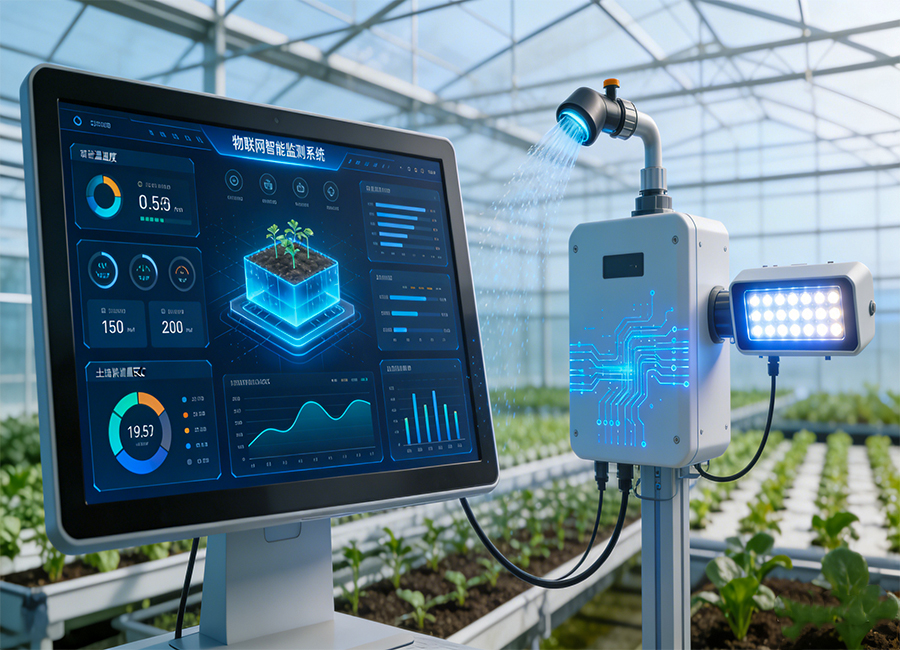
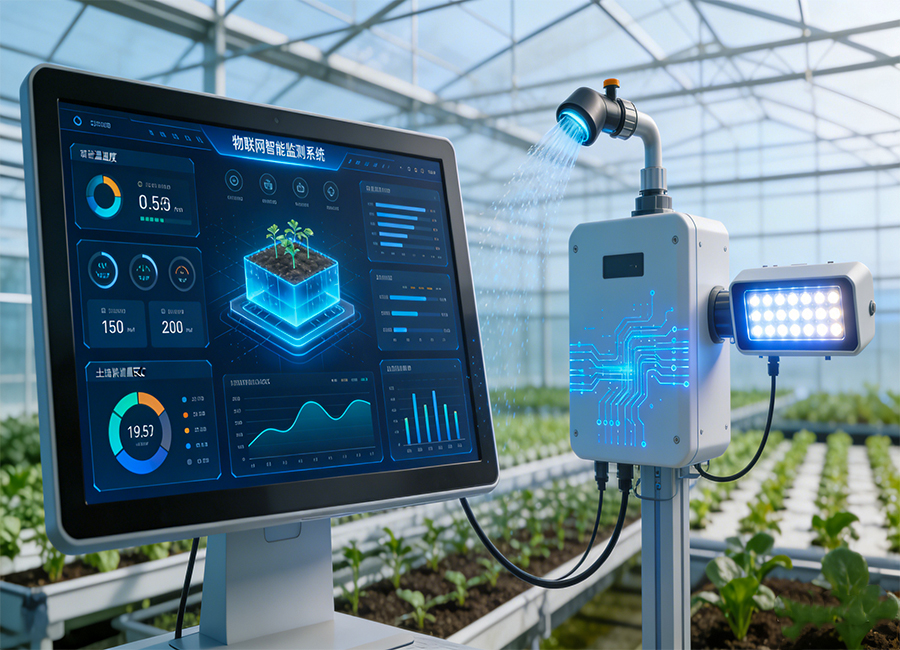
Introduce an Internet of Things monitoring system to collect data such as temperature, humidity and light through sensors, and automatically control irrigation, supplementary lighting and other equipment. Soilless cultivation technology can reduce soil-borne diseases. By using substrates such as coconut coir and rock wool, precisely preparing nutrient solutions, and regularly monitoring pH and EC values, the utilization rate of water and fertilizer as well as management efficiency can be improved, contributing to high yields and quality.
In conclusion, to increase production in greenhouses, it is necessary to precisely control the temperature, light and humidity environment, optimize soil, fertilizer, water and plant management, reduce disease losses through green prevention and control, and enhance quality and efficiency by leveraging intelligent technologies such as the Internet of Things and soilless cultivation. By taking multiple measures in coordination, not only can the growth needs of crops be met, but also the utilization rate of resources can be improved, achieving the goal of high-yield and high-quality greenhouse cultivation.